Matt black is everywhere, but will it fade? A quick guide to durable finishes and our 15-year powder-coat warranty.
What powder coating actually is
Powder coating isn't paint. There's no solvent and nothing brushed or sprayed wet. Dry pigment and resin are given an electrostatic charge and blown at the aluminium, which is earthed, so the powder clings evenly to every face including the returns and edges. The frame then goes through an oven where the powder melts and cures into one continuous, chemically bonded skin.
That process is why powder coat behaves so differently from paint on timber. There's no film sitting on top waiting to lift; the coating is fused to the metal. It doesn't peel, it doesn't need an undercoat, and there's no maintenance cycle of scraping and repainting.
Durability first
We coat in Dulux Duralloy, backed by a 15-year finish warranty covering colour retention and film integrity. In practice, well-specified powder coat routinely outlasts that.
Two things determine how long a finish really lasts:
- The exposure. A north or west elevation takes far more UV than a sheltered south wall, and New Zealand's UV is harsher than most of the northern hemisphere at the same latitude. Coastal sites add salt, which is a separate and more aggressive problem.
- The specification. For coastal and severe marine environments there's a higher-durability grade. Speccing a standard finish within sight of the sea is the most common way a powder coat gets shortened, and it's entirely avoidable.
We'll ask where you are and which way the elevations face before recommending a grade. If you're within a few hundred metres of open coast, say so early.
The dark colour question
Matt black and charcoal are everywhere right now, and the question we get is always the same: will it fade?
Modern polyester powder coats hold dark colours a great deal better than the finishes people remember from the 1980s. The honest caveats:
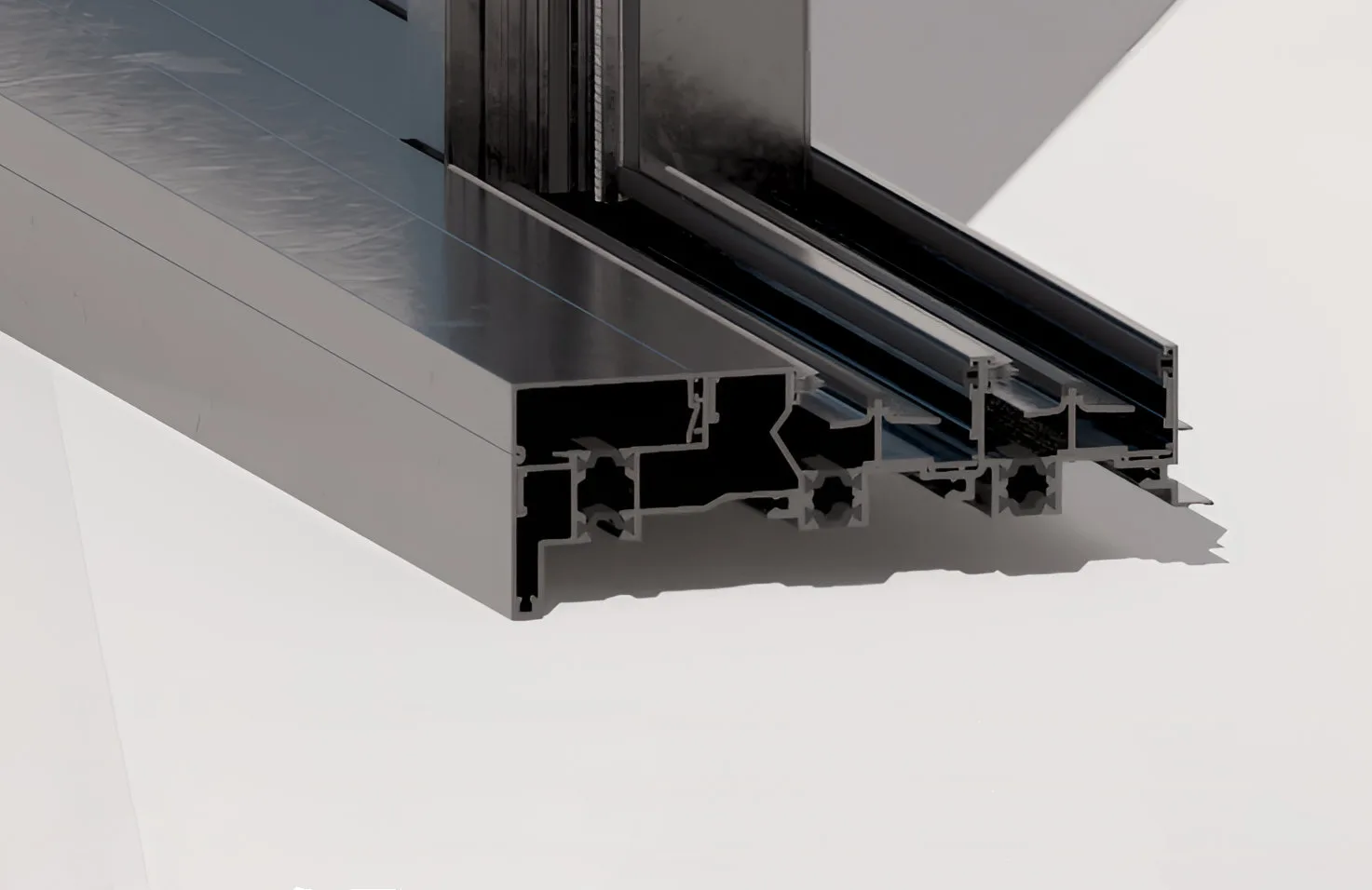
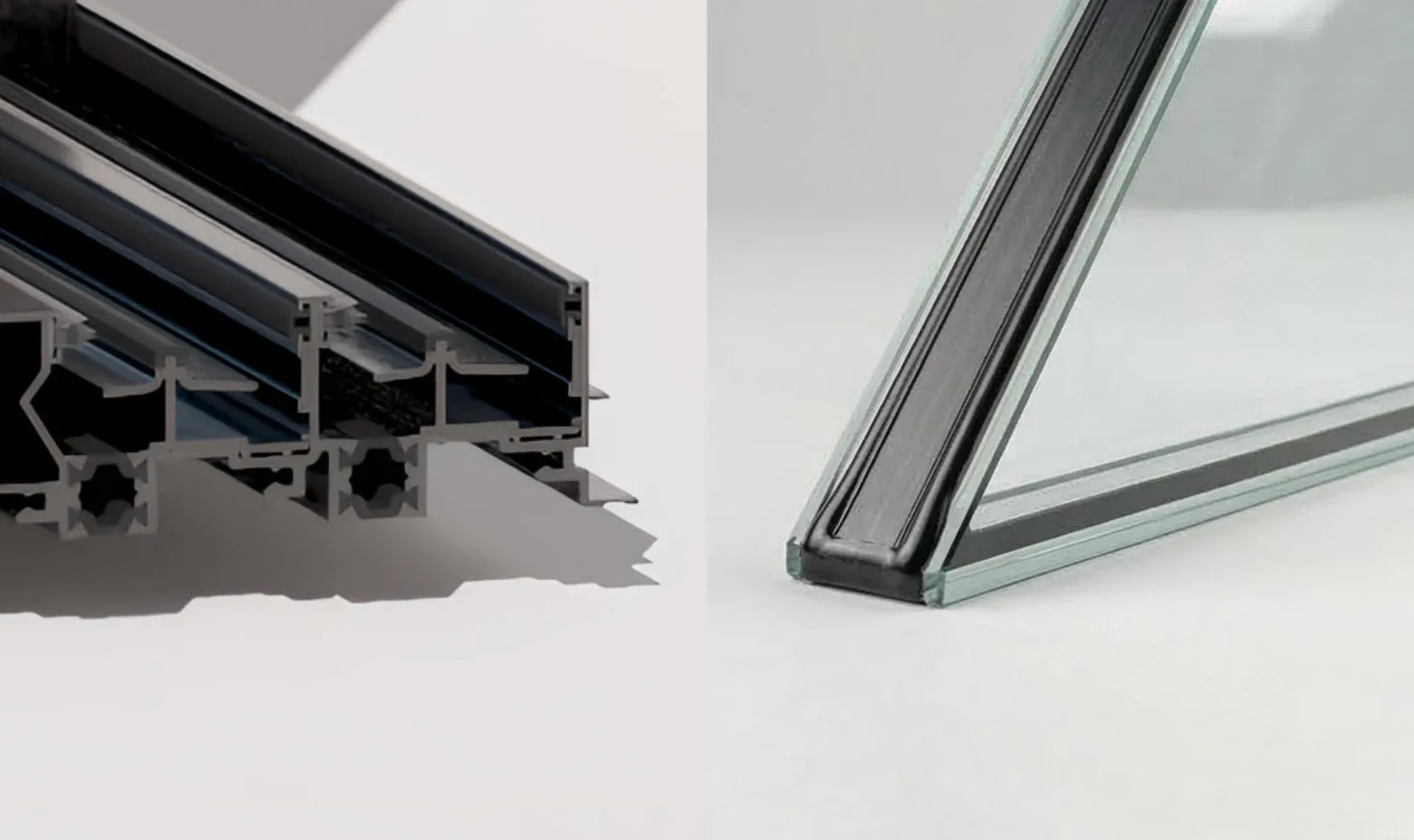
- Dark colours absorb more heat. A black frame in full afternoon sun runs considerably hotter than a light one. Aluminium handles that fine, but it's another argument for a thermally broken frame on a heavily glazed elevation — you don't want that heat conducting straight through.
- Fade is proportional to UV exposure. A dark frame on a shaded elevation will look new for decades. The same colour on a fully exposed western wall works harder.
- Matt finishes show marks more readily than satin or gloss, particularly fingerprints around handles. It's cosmetic and it washes off, but it's worth knowing before you commit.
None of this makes dark a bad choice. It means the finish grade should match the exposure, which is a conversation rather than a problem.
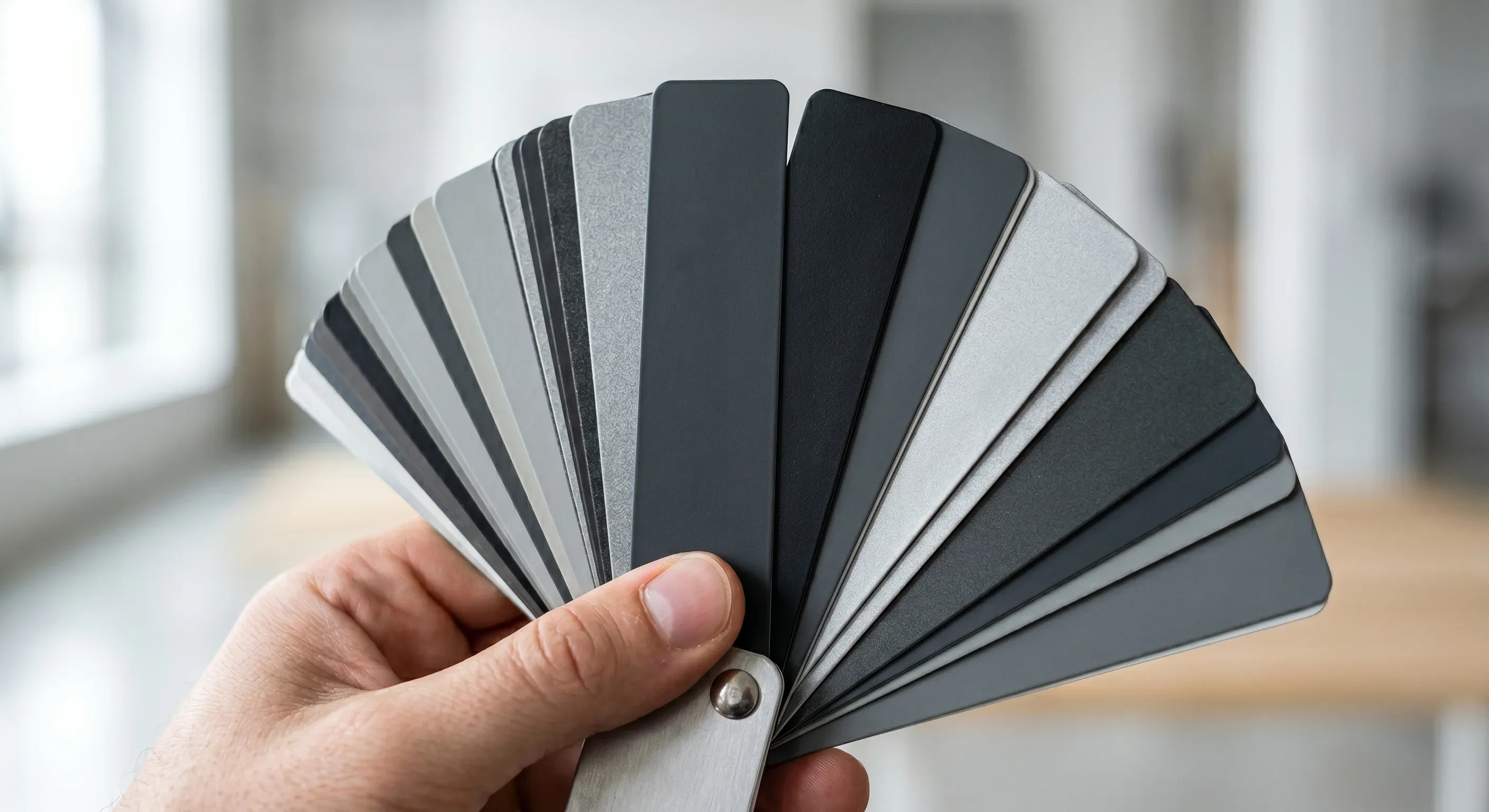
Picking a colour
The frame colour ties the whole exterior together, so it's worth getting right rather than deciding from a chip on a phone screen.
Our colour picker has all forty Dulux finishes we coat in, and it will show any of them on a real window against the cladding colour you pick — which is closer to the decision you're actually making than a grid of squares is.
- Bring physical samples. Cladding, roof and any brick or stone. Colours read completely differently against each other than they do in isolation.
- Look at them outside, at the right time of day. Showroom lighting flatters everything. A colour that looks crisp indoors can read blue or green in Canterbury daylight.
- Think about the whole elevation. Frames are a line drawing on the face of the house. A high-contrast frame emphasises the window shapes; a frame close to the cladding colour lets the glass dominate.
- Remember the frame reads from inside too. The same colour runs through, so a colour picked entirely for the street is a colour you also live with from the sofa. Worth standing in the room before you commit.
Decide once and record it. The colour goes on file, so if you stage the work over several years the later joinery still matches.
Looking after it
Very little, which is the point.
- Wash the frames with mild soapy water and a soft cloth two or three times a year. More often near the coast, where salt build-up is the main thing shortening a finish.
- Rinse thoroughly and don't use abrasive pads, scouring cream or solvent-based cleaners. Those cut the surface and can void the finish warranty.
- Clear the drainage slots in the sills while you're there.
That's the whole regime. Compared with sanding and repainting timber joinery every five to eight years, it's the reason most people don't go back once they've switched.