Streaming windows every winter morning are a moisture-and-temperature problem, not usually a glass fault. Here's what's going on and what actually fixes it.
Why it forms
Condensation is a moisture-and-temperature problem, not usually a fault with your glass. It appears when warm, humid indoor air meets a cold surface and the moisture it's carrying turns back into water. In a single-glazed home the glass is almost always the coldest surface in the room, so that's where you see it first, streaming down the pane on a winter morning.
How condensation forms
Warm, moist air drifts toward the coldest surface.
Cold air chills the outer pane, cooling the inner surface.
- 1Warm, moist air drifts toward the coldest surface, the glass.
- 2Moisture hits the cold glass and turns from vapour to water.
- 3Droplets grow and run to the sill. Warmer glass stops them forming.
What causes it
Three things drive it, and they stack:
- Moisture in the air. Cooking, showering, drying laundry indoors and unflued gas heaters all pump litres of water into the air every day.
- Nowhere for that air to go. Without ventilation, humid air sits inside and condenses on the coldest surface it can find.
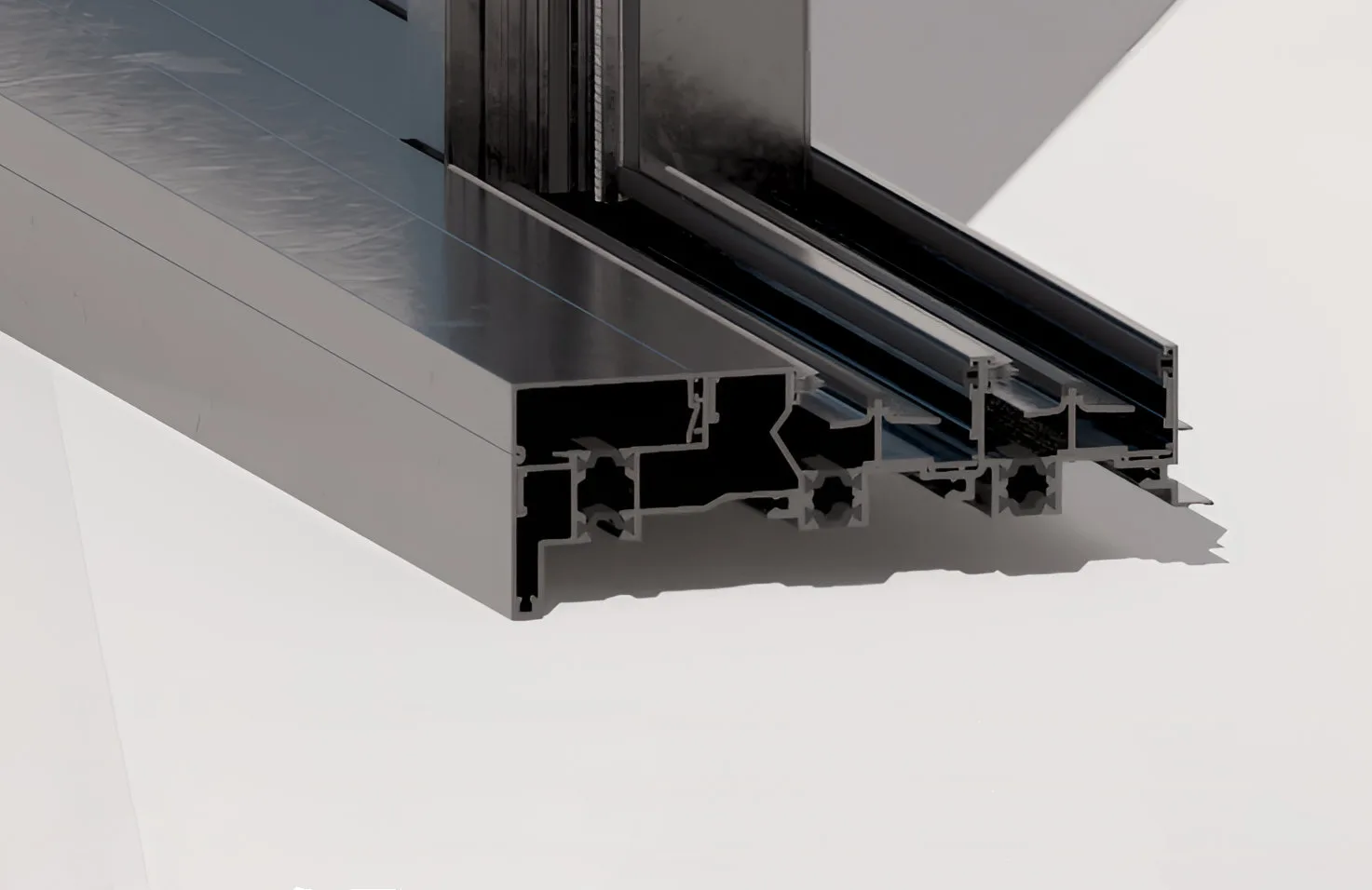
- Cold surfaces to land on. Single glazing and aluminium frames without a thermal break get very cold, giving that moisture an easy target. The bigger the gap between inside and outside temperatures, the more water you'll see.
Poor insulation, missing extractor fans in the kitchen and bathroom, and simply having more people in a smaller space all make it worse.
Tackle the moisture and the cold surfaces together. Fix only one and the problem usually just moves to the next coldest spot.
What actually fixes it
There's no single silver bullet, but a sensible mix gets rid of it for good:
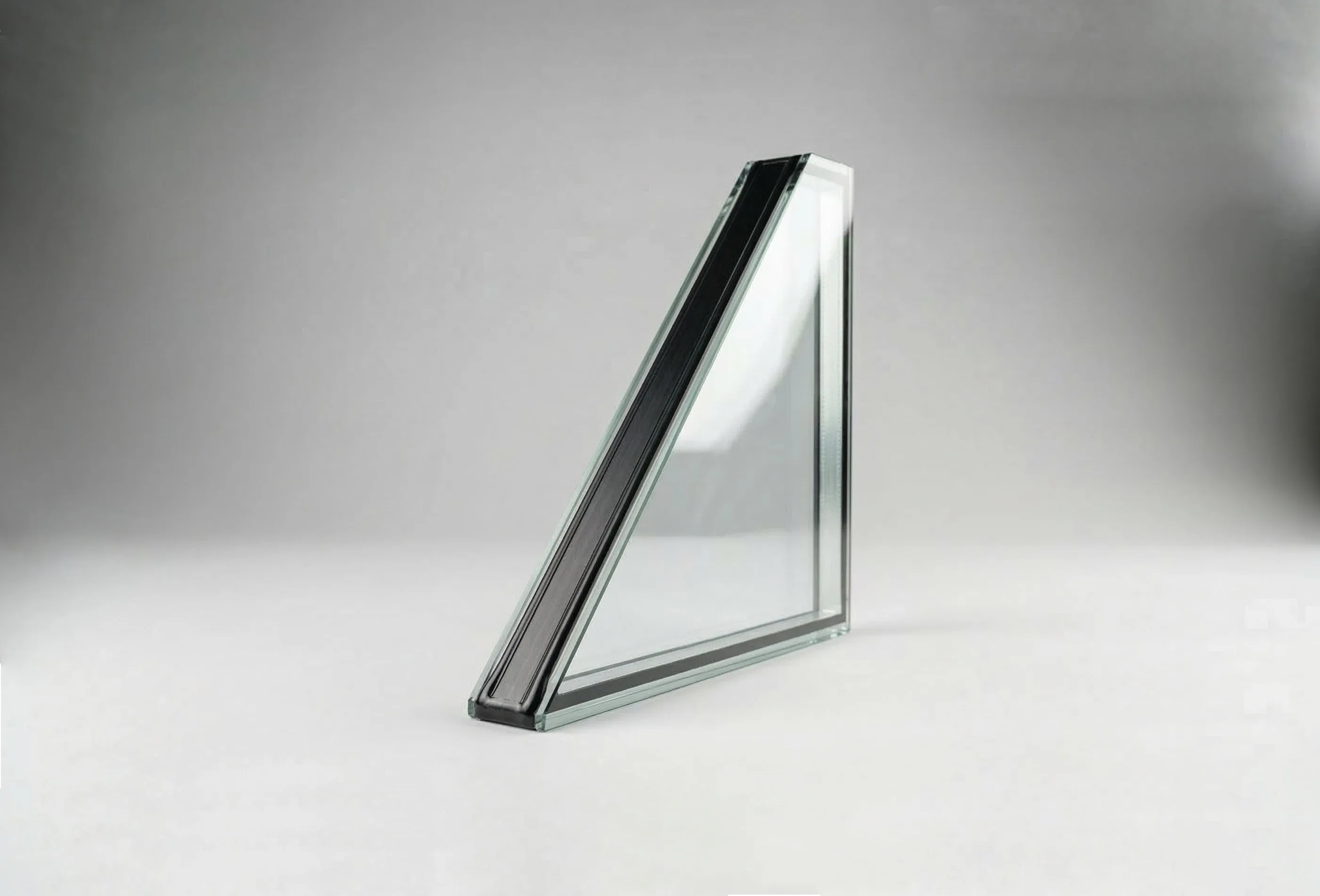
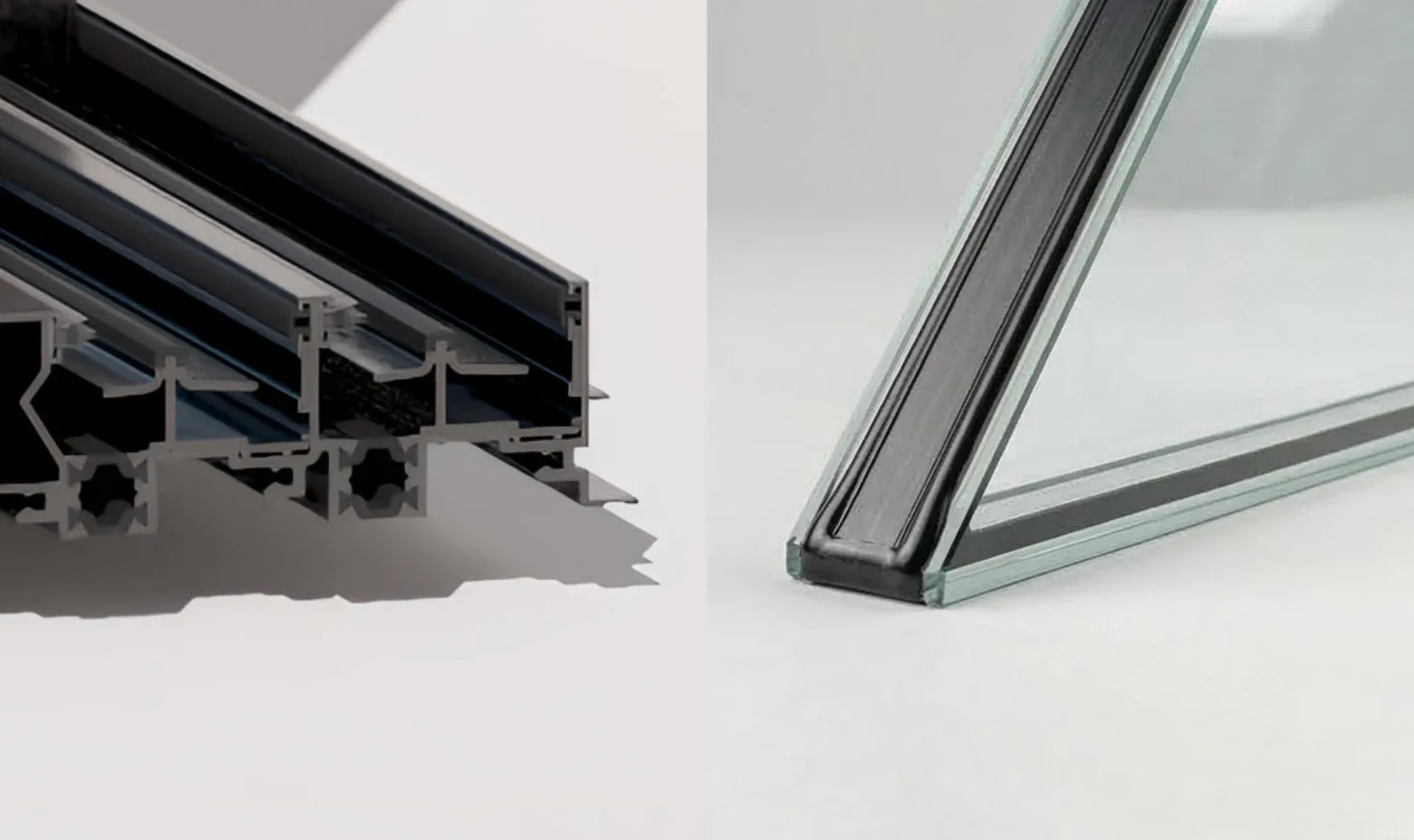
- Warmer glass and frames. Double glazing and thermally broken frames keep the inside surfaces closer to room temperature, so there's far less cold surface for moisture to form on.
- Better ventilation. Open windows daily, fit trickle vents, or run a whole-home (HRV/ERV) system to keep drier air moving.
- Extractor fans vented outside in the kitchen and bathroom, so steam leaves before it spreads through the house.
- Reduce moisture at the source. Vent the dryer outside, use lids on pots, and avoid drying washing indoors.
We'll talk through the right combination for your home, room by room, on a free site measure.